
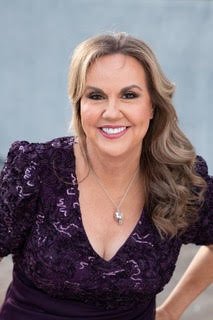
Hair loss affects roughly 80 million people in the United States, but the conversation most women have with their stylist rarely goes there. It skips past the follicle and the scalp condition, going straight to the color chart. Alicia Bravo built her Scottsdale salon, Bravo Salon, on the premise that the conversation has to go deeper.
Bravo joins media strategist and host Keri Murphy on the latest episode of The Keri Murphy Show to talk about the hidden cost of long-term extensions, what most women misunderstand about silver transition, and why the advice she gives clients in her chair extends well beyond their hair.
The Damage Most Salons Don’t Mention
Extensions have become a standard service in virtually every salon. The conversation about their long-term consequences is considerably less standard. Bravo sees the results regularly: clients who have worn heavy weft extensions for years arriving with weakened follicles, breakage along the attachment points, and hair that can no longer hold its own weight.
The mechanism, she explains, is straightforward. A single weft is held by a small cluster of follicles. Add enough weight, and the follicle cannot sustain it.
“Think of it as your arms on monkey bars. Now put 20-pound weights on each side. How long do you think you’re going to hold that up? It’s going to release your arms. Your hair follicles work the same way.”
The catch-22 that follows is one Bravo sees often. Once breakage sets in, the client feels she needs extensions to cover the damage, which compounds the underlying problem. The exit from that cycle runs through treatments, not more extensions: scalp therapy, red light therapy to stimulate circulation and strengthen the follicle, and a structured plan to grow the hair back on its own terms.
The product question is part of the same conversation. Bravo describes the post-service hair care regimen the way a surgeon would describe post-operative protocol. Leaving the salon with a fresh treatment and going home to a grocery-store shampoo, she says, is no different from skipping prescribed medication after a procedure. The chemistry that holds the hair’s integrity together does not survive the substitution.
Silver Transition and What Clients Don’t Expect to Feel
Helping women stop coloring their hair and transition to their natural silver is one of the fastest-growing services at Bravo Salon and one of the most personal. The demand reflects a broader shift: women are reconsidering the salon color maintenance cycle every few weeks, as well as the long-term chemical load on their hair and scalp.
The technical challenge is real. Taking a client from a level four or five color to natural silver in a single session without compromising the hair’s integrity requires both training and the right post-treatment protocol. Bravo says the results consistently surprise the women who go through it.
“When they come back, they are so amazed at how beautiful their hair is and how they feel inside, that it’s natural, it’s theirs. They’re like, I didn’t realize how pretty my silver is.”
For women who are not ready for a full transition, Bravo offers a blended approach, softening the line between color and growth so the process can unfold at the client’s own pace. Virtual consultations have become a significant part of the intake process, letting clients show their scalp and hair in natural light from home before making the trip to Scottsdale.
A Chair That Goes Further Than the Hair
Bravo Salon has eleven stylists, roughly eight of whom specialize in the areas on which the practice has staked its reputation: silver transition, hair loss, follicle health, and healthy extensions. Bravo herself has been doing hair for 45 years and has owned the salon for 22.
The consultation process she runs goes further than most clients expect. Hair thinning, she says, rarely has a single cause. Hormones, nutrition, medication, and underlying skin or scalp conditions all leave evidence that a trained eye can read. When she sees something that she cannot address with a treatment plan, she helps clients identify the right specialist.
“I can actually tell and see if they have maybe some sort of scalp condition, skin condition, or hormonal or medical condition going on. And then if you need to go to a doctor, we’re going to find one, or help you locate somebody that can seek that out.”
Bravo is also certified in hair toppers for women dealing with hair loss from chemotherapy, alopecia, or follicle damage. This requires working with compromised follicles carefully enough that attachment does not create new injury. The same counterintuitive advice applies across cases: keep brushing, keep washing, keep the scalp circulated. A follicle that is not disturbed is a follicle that cannot clear the old hair and grow the new one.
Bravo Salon is in Scottsdale, Arizona, and takes virtual consultations for clients considering silver transition or working through hair loss. You can learn more about Bravo Salon by visiting www.bravosalonaz.com.
About The Keri Murphy Show
The Keri Murphy Show is the flagship program on Brilliant TV, the media channel of the Brilliant Women Network. Each episode features candid conversations with entrepreneurs, executives, and professionals who are building careers and businesses on their own terms. The show is designed for women leaders who want substantive stories, practical perspective, and honest conversation about what it actually takes to grow.